The Evolution of Smart Home Technology
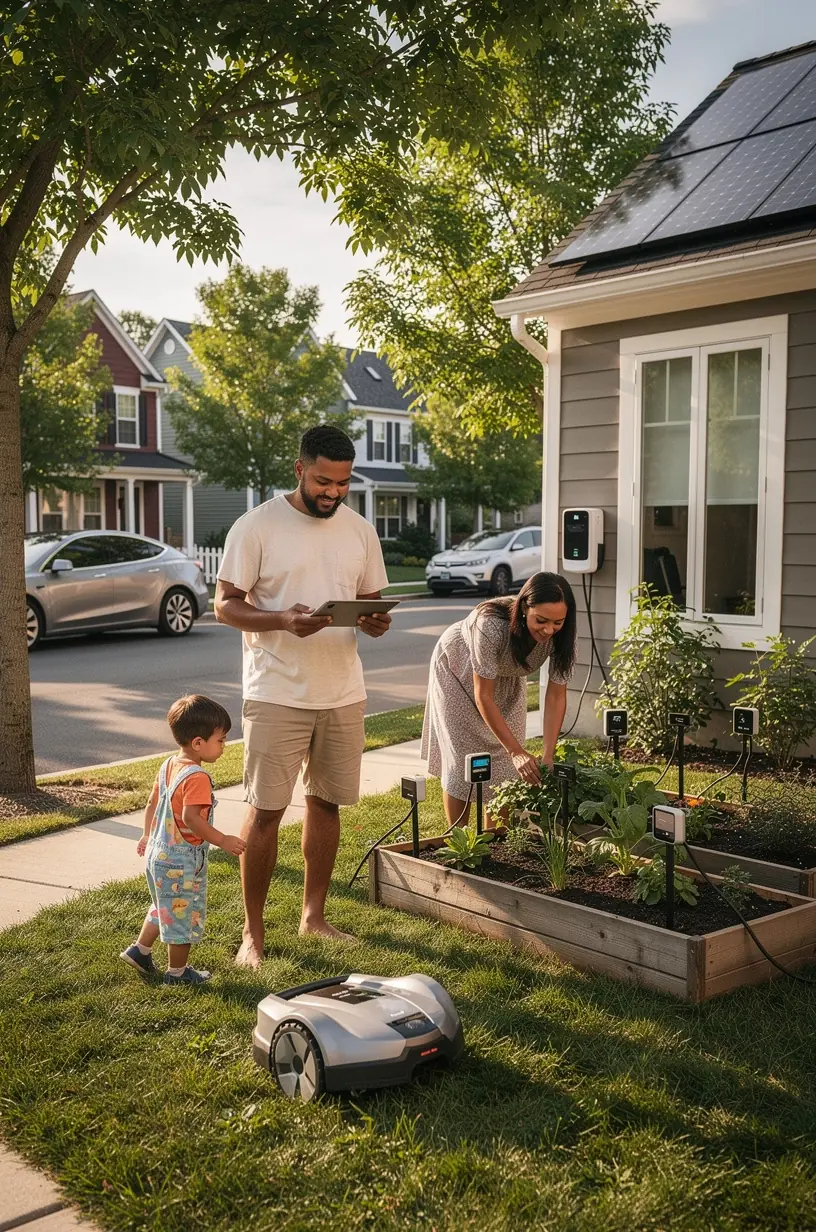
As technology continues to infiltrate our daily lives, smart home technology has emerged as a significant player in enhancing the functionality and convenience of our living spaces. This article explores the evolution of smart home technology, its impact on residential districts, and how it is shaping modern living in the United States.
Understanding Smart Home Technology
Smart home technology refers to devices and systems that connect to the internet and allow homeowners to manage and monitor their homes remotely. According to research by the Consumer Technology Association, about 70% of U.S. households have at least one smart home device. This trend has been influenced by the desire for increased efficiency, security, and convenience in daily life.
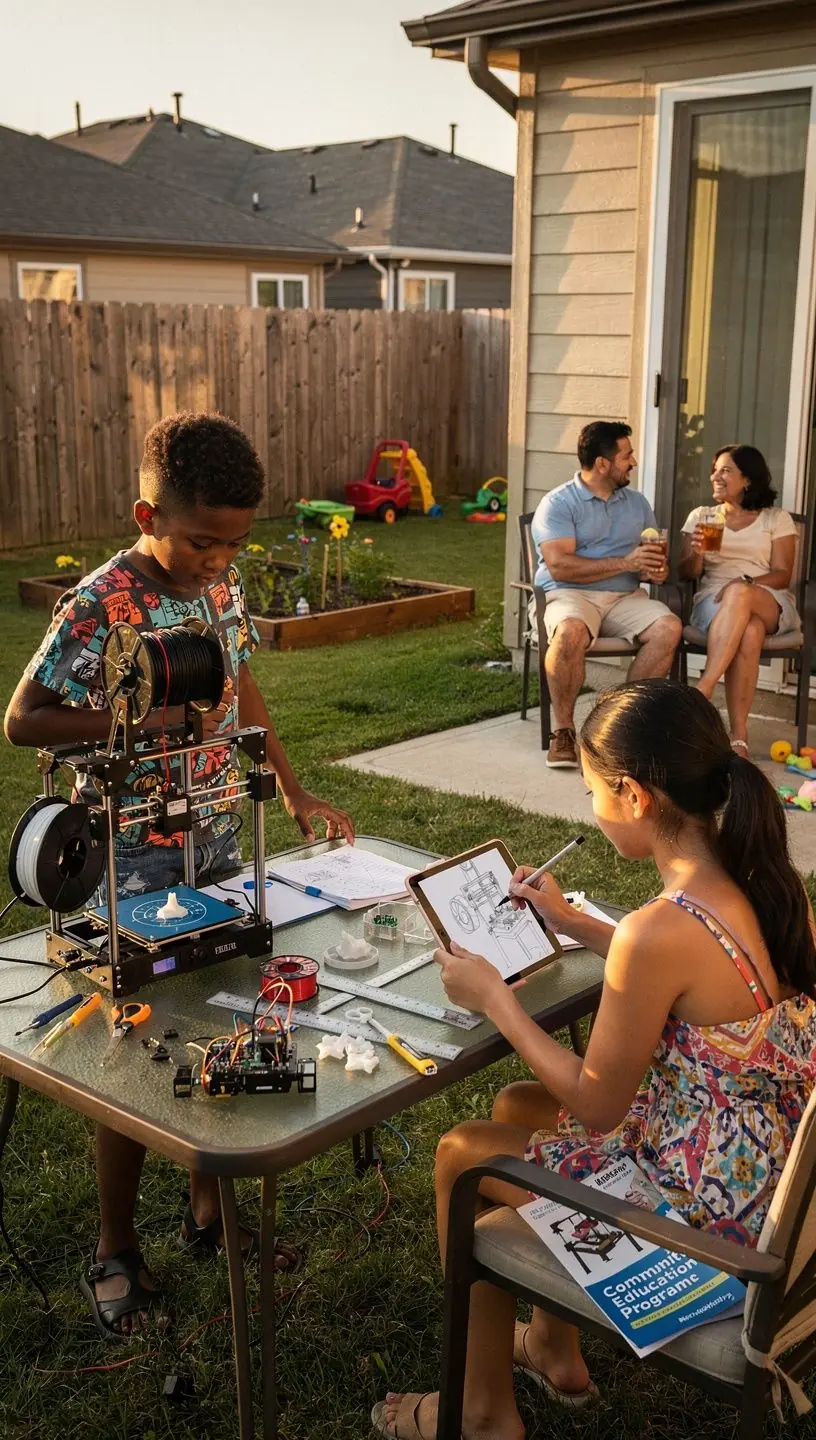
"The integration of smart technology into homes is not just a trend; it represents a fundamental shift in how we interact with our living spaces." - Industry Expert
The Historical Context
The concept of a smart home is not new. Early versions of home automation began in the 1960s with basic systems that could control heating and lighting. However, it wasn't until the advent of the internet and wireless technology in the late 1990s that smart home technology truly began to flourish. The introduction of affordable devices and widespread internet access has paved the way for more advanced home automation solutions.
Key Components of Smart Home Systems
- Smart Lighting: Many users report that smart bulbs and lighting systems can improve energy efficiency by as much as 30%, especially when paired with automation systems.
- Smart Security: Cameras and alarms that can be monitored via smartphones have been shown to enhance home security significantly, providing peace of mind to homeowners.
- Smart Thermostats: These devices can learn user habits and adjust heating and cooling automatically, potentially reducing energy consumption by 10-15%, according to studies.
The Benefits of Smart Home Technology
Smart home systems offer numerous benefits, including:
- Convenience: Remote access to home systems allows for more control over daily tasks.
- Energy Efficiency: Automated systems can optimize energy use, contributing to lower utility bills.
- Enhanced Security: Real-time monitoring of homes can deter potential intruders and provide alerts in case of unusual activity.
Challenges and Considerations
While smart home technology offers many advantages, it also presents challenges. Users should consider the following:
- The initial setup can be complex and may require some technological understanding.
- Security risks associated with internet-connected devices must be managed through strong passwords and regular software updates.
- Interoperability: Not all smart devices communicate seamlessly with one another, which may limit functionality.
Looking Ahead: The Future of Smart Homes
The future of smart home technology is promising, with ongoing innovations in artificial intelligence and machine learning potentially leading to even more intuitive home automation systems. Industry experts suggest that as technology advances, we can expect smarter systems that anticipate user needs, further enhancing the residential experience.
Conclusion
The evolution of smart home technology has transformed the way we interact with our living environments. While the benefits are significant, it's essential for homeowners to approach this technology with an informed mindset, acknowledging both its advantages and potential challenges. As smart home systems continue to develop, they are likely to play an increasingly integral role in enhancing daily life in residential districts across the United States.