How Virtual Reality is Enhancing Urban Design
As urban areas continue to evolve, the integration of technology like virtual reality (VR) is becoming increasingly significant in the field of urban design. This article explores how VR is shaping the future of cities and improving the daily lives of their residents.
Understanding the Impact of Virtual Reality
Virtual reality is not just a tool for entertainment; it has emerged as a vital resource in urban planning. By providing immersive experiences, VR allows city planners to visualize projects before they are built. According to a study conducted by the American Planning Association, incorporating VR into the design process can foster better communication among stakeholders and lead to more informed decision-making.
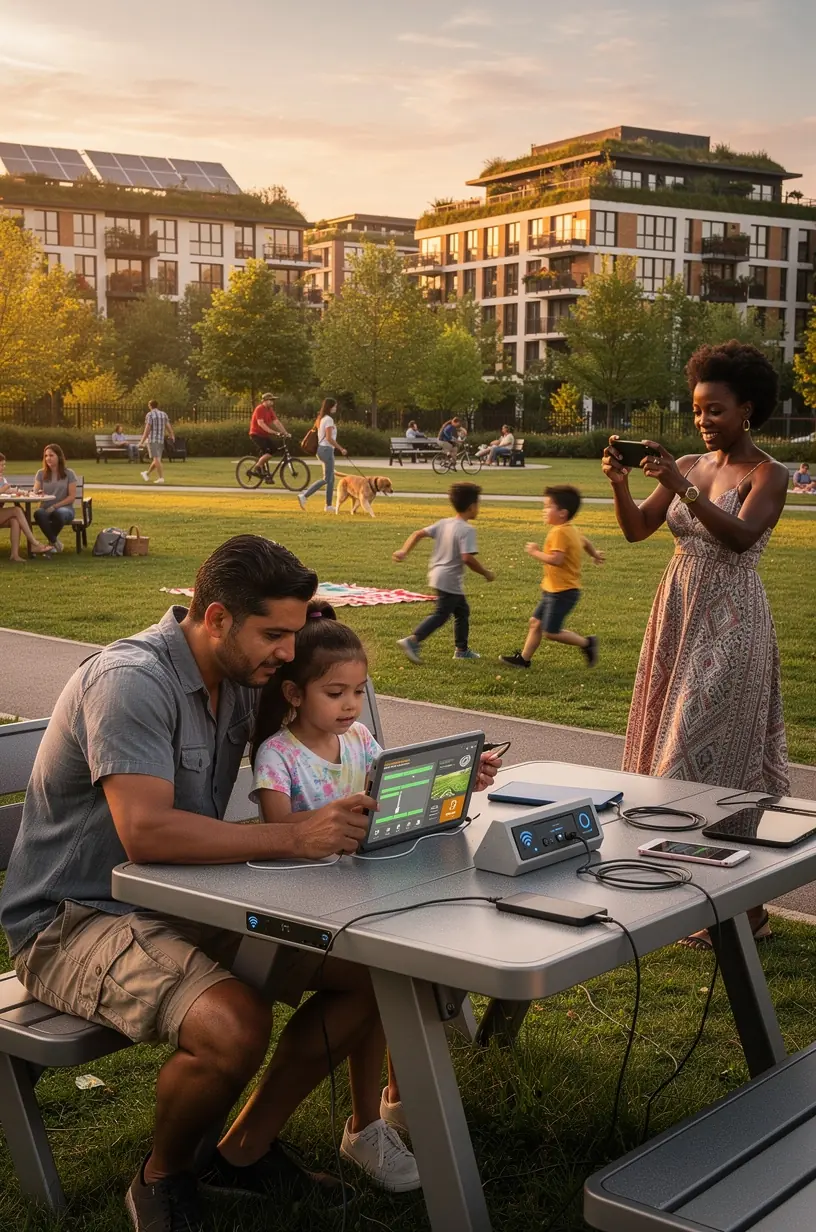
"Cities designed with community input through VR can enhance public satisfaction and engagement." - Urban Design Expert
Benefits of Using Virtual Reality in Urban Design
There are several advantages to utilizing VR in urban design, including:
- Enhanced Visualization: VR allows designers to create realistic simulations of urban spaces, making it easier for stakeholders to understand proposed changes.
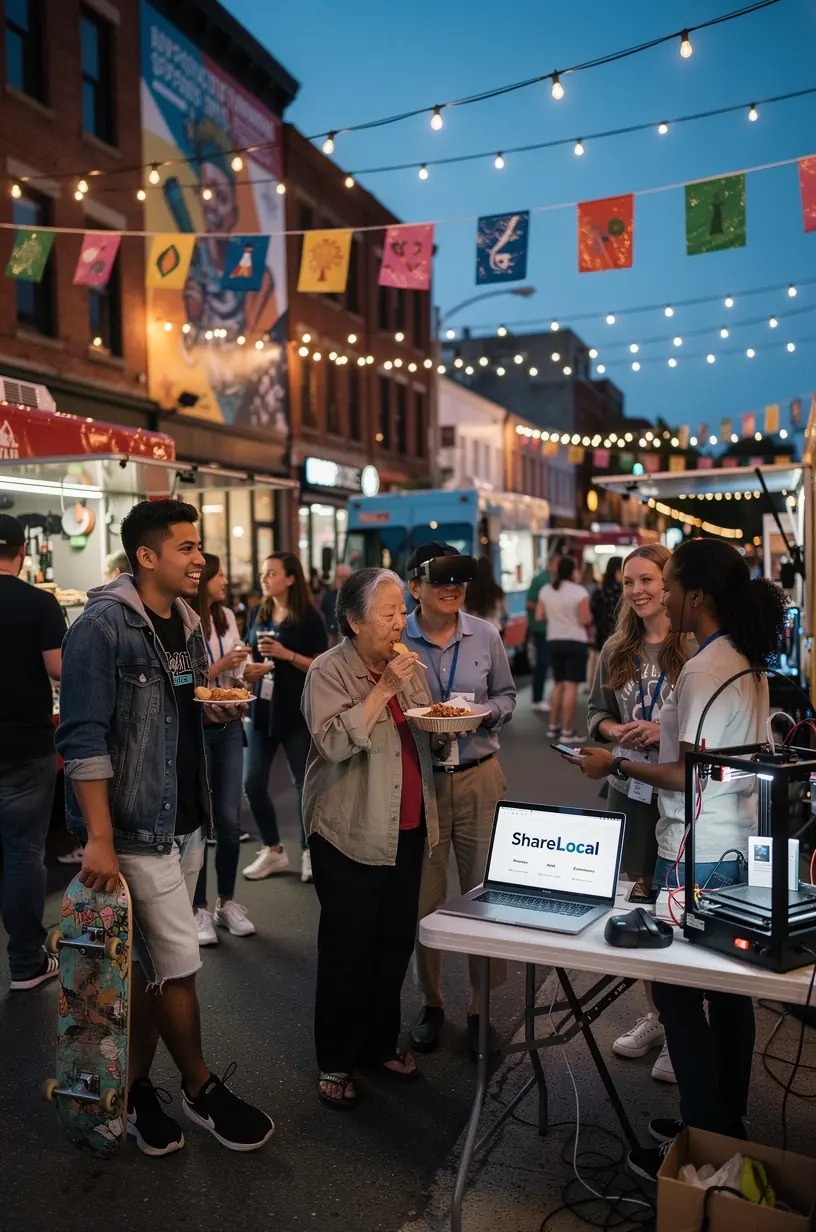
- Effective Community Engagement: Involving the community in the design process through VR can lead to more relevant and accepted outcomes, as it provides residents a platform to visualize and express their feedback on projects.
- Identifying Potential Issues: By simulating different scenarios, planners can identify potential traffic bottlenecks or safety concerns before construction begins, leading to more effective solutions.
Real-World Applications
Several cities across the U.S. have already started to implement VR in their planning processes. For instance, San Francisco has utilized VR to allow residents to experience proposed public spaces in an immersive environment, leading to significant community buy-in and improved project outcomes. Similarly, New York City has employed VR to visualize upgrades to its transit system, facilitating discussions on design and functionality.
Challenges and Considerations
While the integration of VR in urban design presents numerous advantages, it is essential to acknowledge its limitations. Implementing VR technology typically requires an initial investment in both hardware and software, which may not be feasible for all municipalities. Additionally, the effectiveness of VR can depend on the users' familiarity with the technology; some community members may require guidance to fully engage with the simulations.
Looking to the Future
The future of urban design will likely see increased incorporation of technologies like VR as cities strive for more participatory and inclusive planning processes. According to experts, as VR technology continues to evolve, its applications in urban design will become even more sophisticated, potentially allowing for real-time adjustments and improved data integration.
Conclusion
Virtual reality is proving to be a transformative tool in urban design, enhancing visual communication, fostering community engagement, and mitigating potential issues before they arise. While challenges exist, the potential for improved urban environments through VR is significant, making it a valuable consideration for future urban planning initiatives.