How AI is Shaping Urban Planning
Artificial intelligence (AI) is increasingly influencing urban planning, offering innovative solutions that enhance daily life in residential districts across the United States. This article delves into how AI is reshaping the urban landscape and the practical applications that are becoming more prevalent.
Understanding the Basics of AI in Urban Planning
AI refers to the simulation of human intelligence in machines that are programmed to think like humans and mimic their actions. In urban planning, AI is being utilized to analyze large datasets, predict trends, and optimize resource allocation. According to research by the American Planning Association, cities that integrate AI into their planning processes can improve decision-making efficiency by up to 30%.
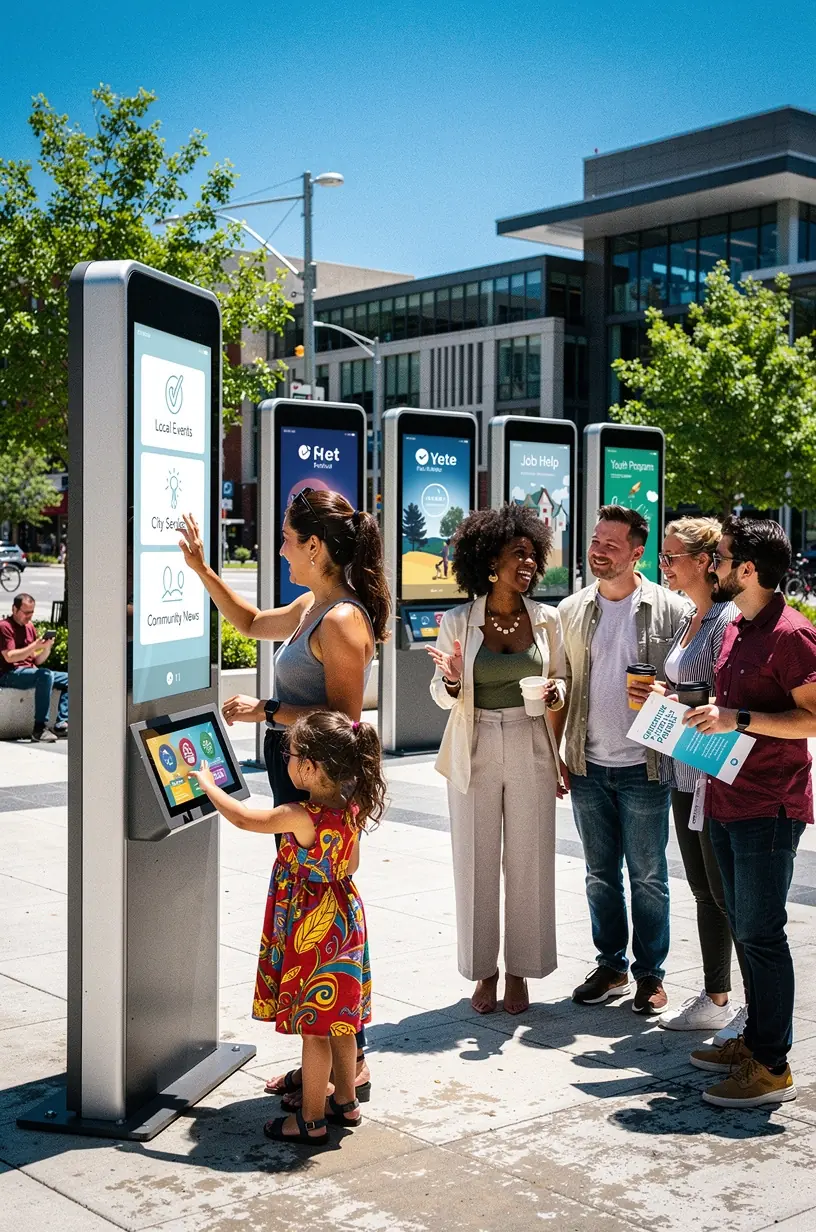
"The integration of AI into urban planning is not just a trend; it's a necessary evolution for smarter, more sustainable cities."
Key Applications of AI in Urban Planning
There are several practical applications where AI is making significant strides in urban environments:
- Traffic Management: AI algorithms analyze real-time traffic data to optimize traffic flow, reduce congestion, and enhance public transportation systems. Many cities report an average reduction in commute times by 20% when such systems are implemented.
- Urban Design: By analyzing demographic data and community feedback, AI can assist planners in designing spaces that cater to the needs of residents. This approach often results in designs that better reflect local preferences and needs.
- Predictive Analytics: Cities use AI to forecast population growth and urban expansion, helping to allocate resources more effectively and prepare for future challenges. This proactive measure is essential in managing urban sprawl and ensuring sustainable development.
Challenges and Considerations
While the benefits of AI in urban planning are substantial, it's important to acknowledge the challenges:
- Data Privacy: The collection and analysis of personal data must be handled with care to protect citizen privacy. Regulations such as GDPR provide frameworks that can guide ethical AI use in urban settings.
- Implementation Costs: Initial setup costs for AI technologies can be significant. Budgeting for ongoing maintenance and upgrades is also crucial, as AI systems require continuous input and refinement.
- Skill Gaps: Urban planners need training in AI technologies to fully leverage their potential. Without proper education and understanding, the benefits of AI may not be realized to their full extent.
Conclusion
AI is playing a critical role in shaping the future of urban planning, with the potential to significantly enhance the quality of life in residential districts. By improving traffic management, urban design, and predictive analytics, cities can become more efficient and responsive to residents' needs. However, stakeholders must approach AI integration thoughtfully, considering data privacy, implementation costs, and necessary skills development. As urban areas continue to evolve, the ongoing collaboration between technology and urban planning will be essential for sustainable development.