How Mobile Apps Enhance Community Engagement
In an increasingly digital world, mobile applications have emerged as powerful tools for fostering community engagement. Studies show that neighborhoods with active mobile app platforms often experience improved communication and participation among residents.
Understanding the Role of Mobile Apps
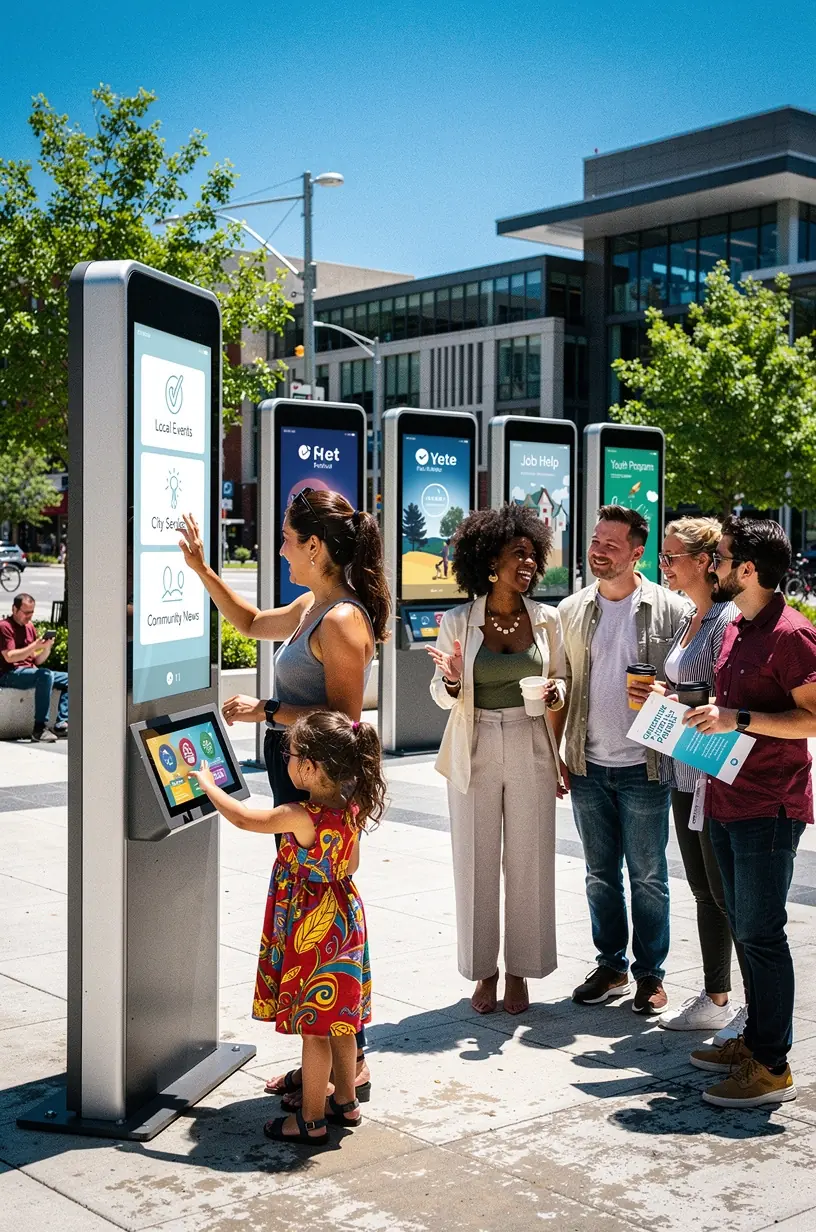
Mobile applications serve as platforms that connect residents, local organizations, and businesses. According to research conducted by the Pew Research Center, approximately 81% of Americans own a smartphone, making mobile apps an effective medium for reaching a wide audience. These apps typically promote local events, facilitate discussions, and provide resources that can enhance community life.

"Community engagement through mobile apps can lead to stronger neighborhood ties and improved local initiatives." - Urban Studies Expert
Benefits of Mobile Apps for Community Engagement
Mobile apps can improve community engagement in several ways:
- Improved Communication: Many users report that mobile apps streamline communication between residents and local officials, allowing for quicker responses to concerns and suggestions.
- Event Promotion: Research indicates that communities with dedicated apps see a higher turnout at local events, as these apps often include features for event listings and reminders.
- Resource Sharing: Apps can serve as repositories for local resources, such as volunteer opportunities, emergency contacts, and neighborhood alerts, enhancing the overall community experience.
How to Implement Mobile Apps Effectively
Implementing a mobile app for community engagement involves several key steps:
- Assess Community Needs: Understanding what residents want from the app can guide its development. Surveys and focus groups can provide valuable insights.
- Select Features Wisely: Common features like forums, event calendars, and resource directories should be integrated. These elements can promote interactivity and information sharing.
- Encourage User Participation: Communities that actively encourage participation often see better engagement rates. This can include contests, polls, or incentives for using the app.
Acknowledging Limitations
While mobile apps can enhance community engagement, it’s important to recognize their limitations. Not all residents may be comfortable using technology, and some communities may have varying access to smartphones and the internet. Experts recommend that a tiered approach, incorporating both digital and traditional engagement methods, is often the most effective.
Conclusion
Mobile apps have the potential to significantly enhance community engagement by improving communication, promoting events, and sharing resources. However, implementing such platforms requires careful consideration of community needs and limitations. By focusing on educational value and fostering genuine connections, these technological innovations can contribute positively to residential districts across the U.S.