A Practical Guide to Urban Green Spaces
Urban green spaces play a crucial role in enhancing the quality of life in residential districts. They provide a means for relaxation, recreation, and community bonding. This guide explores how technology and planning can effectively improve these spaces.
Understanding the Importance of Urban Green Spaces
Urban green spaces, which include parks, gardens, and green rooftops, are essential for fostering biodiversity and promoting mental well-being. According to research by the Center for Urban Greenery and Ecology, access to green spaces is linked to reduced stress levels and improved overall health.
"Studies show that urban greenery can reduce the urban heat island effect by as much as 5°F, contributing to more sustainable city environments."
Benefits of Green Spaces
- Environmental Improvement: Green spaces help improve air quality and manage stormwater runoff, which is critical in densely populated areas.
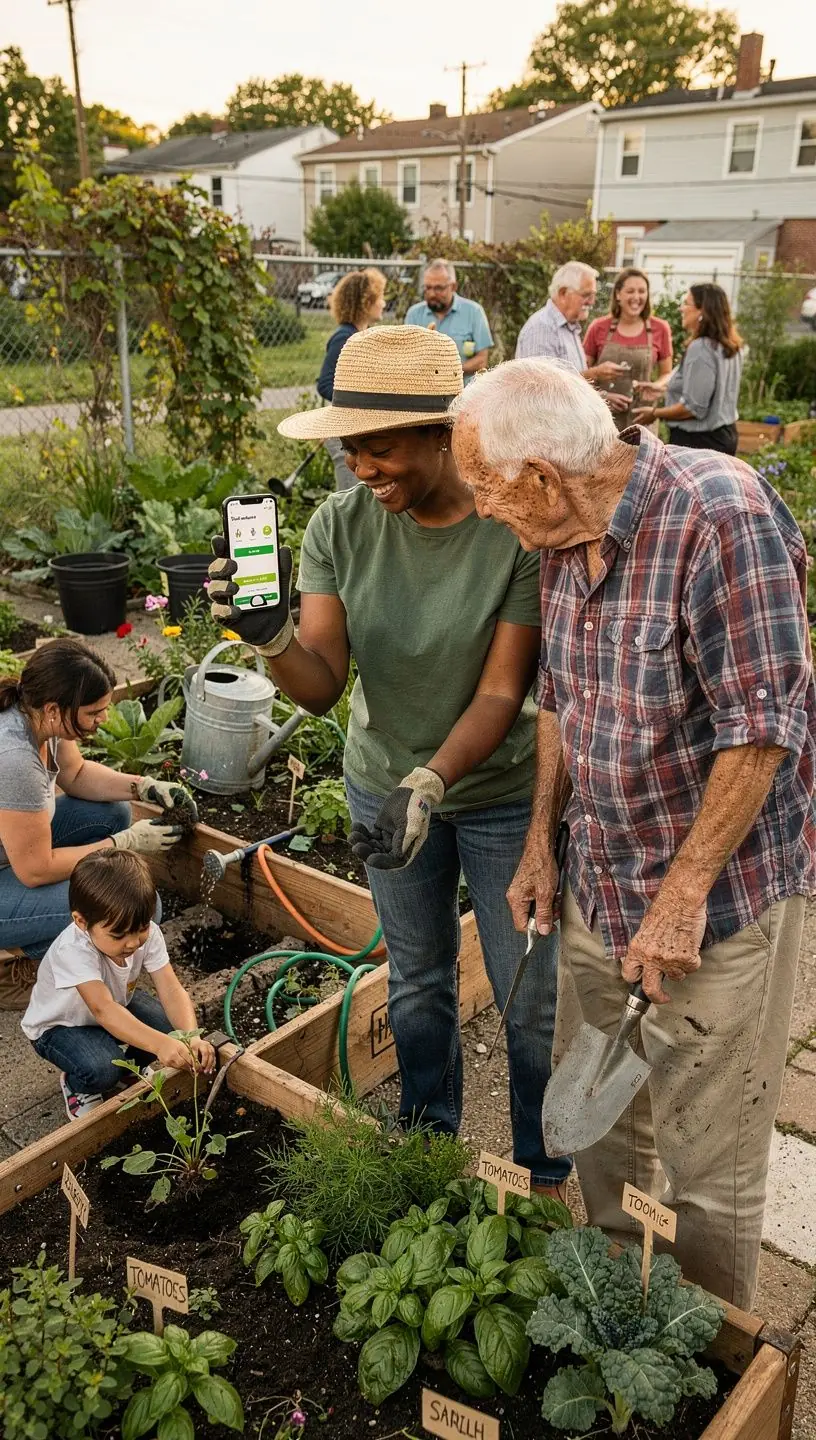
- Social Interaction: Parks and community gardens serve as hubs for social interaction, fostering community ties.
- Health Benefits: Regular interaction with nature has been shown to reduce symptoms of anxiety and depression. A study published in the Journal of Environmental Psychology indicates that individuals who spend time outdoors report higher levels of happiness.
Integrating Technology in Urban Green Space Planning
The integration of technology in urban planning can significantly enhance the functionality and accessibility of green spaces. For example, the use of GIS (Geographic Information Systems) allows planners to analyze spatial data and make informed decisions about where to create or enhance green spaces. This works because GIS technology can identify areas with limited access to greenery, ensuring equitable distribution.
Steps for Effective Implementation
- Assessment: Conduct a thorough assessment of existing green spaces to identify gaps in accessibility and usability.
- Community Engagement: Involve residents in the planning process to ensure that the green spaces meet their needs and preferences.
- Design and Technology Integration: Utilize design principles that promote sustainability, such as native plant landscaping and smart irrigation systems, which can conserve water and reduce maintenance costs.
Challenges and Considerations
While enhancing urban green spaces is beneficial, it is important to acknowledge the potential challenges. Funding can often be a significant barrier, as high-quality green spaces typically require ongoing investment. Additionally, urban planners must consider the maintenance needs of these spaces, which often necessitates community involvement to sustain them over time. Researchers from the American Planning Association recommend that municipal budgets allocate funds specifically for the upkeep of urban green spaces to ensure their long-term viability.
Conclusion
Urban green spaces are vital for enhancing the quality of life in residential districts, providing numerous environmental and social benefits. By integrating technology and community feedback into the planning process, cities can create effective and sustainable green spaces. While challenges exist, prioritizing these areas can lead to healthier, happier urban environments. Engaging with residents and utilizing data-driven methods will pave the way for more inclusive and accessible green areas.
Discover More