The Role of IoT in Smart Neighborhoods
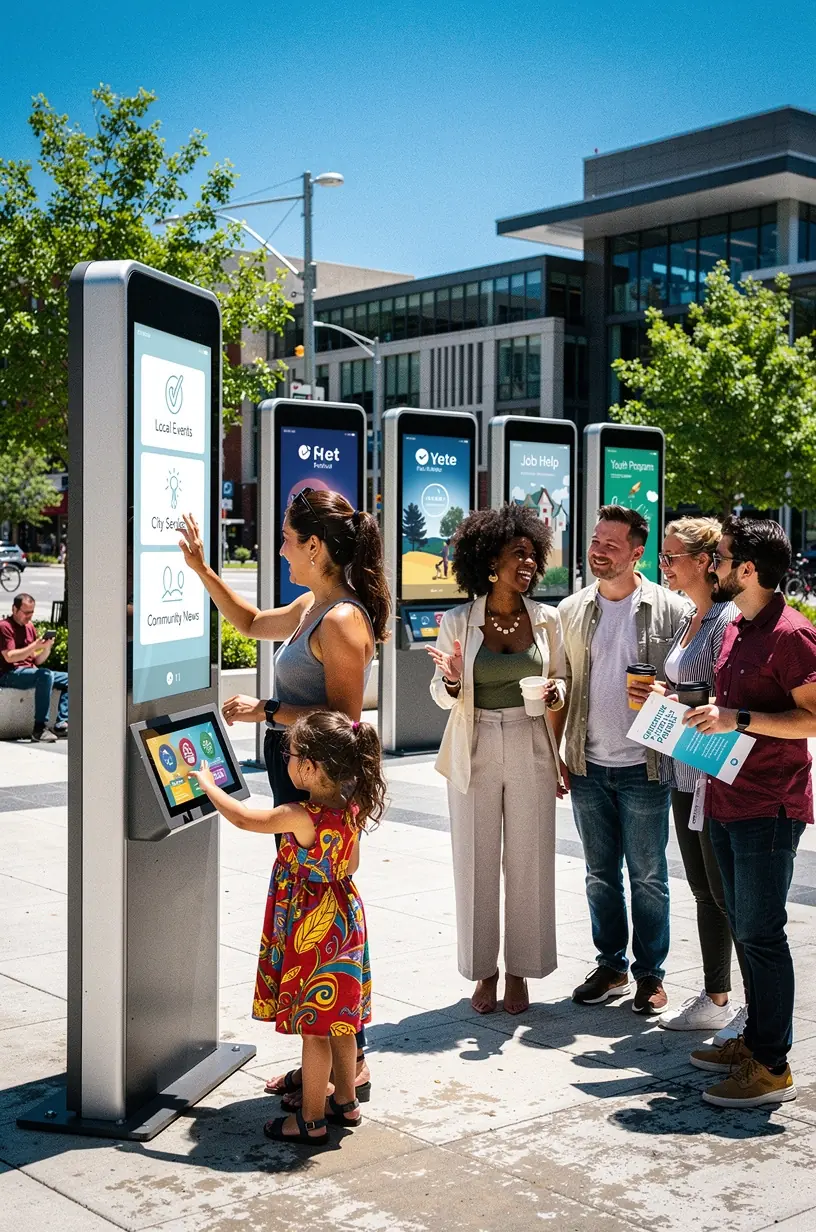
As urban areas evolve, the integration of technology into residential districts has become increasingly prevalent. The Internet of Things (IoT) plays a pivotal role in transforming traditional neighborhoods into smart communities, enhancing daily life for residents.
Understanding the Basics of IoT
The Internet of Things refers to the network of interconnected devices that communicate and exchange data. In residential areas, this technology can include smart appliances, security systems, and environmental sensors. According to research from the Pew Research Center, about 77% of Americans are familiar with smart home devices, indicating a growing acceptance of this technology in everyday life.

"The integration of IoT in urban settings can lead to more sustainable living environments and improved quality of life for residents."
Transformative Benefits of IoT in Neighborhoods
Smart neighborhoods leverage IoT to address common urban challenges. Here are some critical applications:
- Energy Efficiency: Smart meters monitor energy consumption, allowing residents to track usage patterns. Studies show that homes equipped with smart energy management systems can reduce energy costs by up to 15%.
- Enhanced Security: IoT-enabled security cameras and motion sensors provide real-time surveillance and alerts. Many users report a heightened sense of safety, as these systems can notify homeowners of suspicious activities instantly.
- Sustainable Resource Management: Smart irrigation systems utilize weather data to optimize water usage in gardens and parks. Experts recommend that such systems can reduce water waste by approximately 30%, benefiting both residents and the environment.
Challenges and Considerations
While IoT offers numerous advantages, there are limitations and challenges to consider:
- Privacy Concerns: The collection of data by smart devices can lead to potential privacy issues. Residents must be informed about data usage policies and data protection measures.
- Connectivity Requirements: Smart devices typically require a stable internet connection, which may not be available in all areas. Thus, neighborhoods must ensure reliable infrastructure to support IoT applications.
- Initial Costs: Implementing IoT solutions can involve significant upfront expenses. However, many experts argue that the long-term savings and benefits often justify the initial investment.
Conclusion
The incorporation of IoT technology into residential neighborhoods can lead to enhanced living standards, improved security, and increased sustainability. As urban areas continue to embrace these innovations, it is essential for residents to understand both the benefits and challenges associated with smart technologies. With informed decisions, communities can effectively harness the potential of IoT to foster smarter, more connected environments.